
Why Did Muslims Historically Use Miswak Instead of Toothbrushes?
Long before modern toothbrushes and toothpaste became household essentials, Muslims maintained oral hygiene using a simple yet powerful natural tool known as Miswak. Derived from the Salvadora persica tree, Miswak has been used for centuries across different cultures, but it holds a particularly special place in Islam.
Today, as people increasingly seek natural and sustainable alternatives for personal care, Miswak is gaining renewed attention. But why did Muslims historically use Miswak instead of toothbrushes, and what makes it relevant even in the modern world?
Let’s explore the history, benefits, and Islamic significance of this remarkable natural oral care tool.
What Is Miswak?
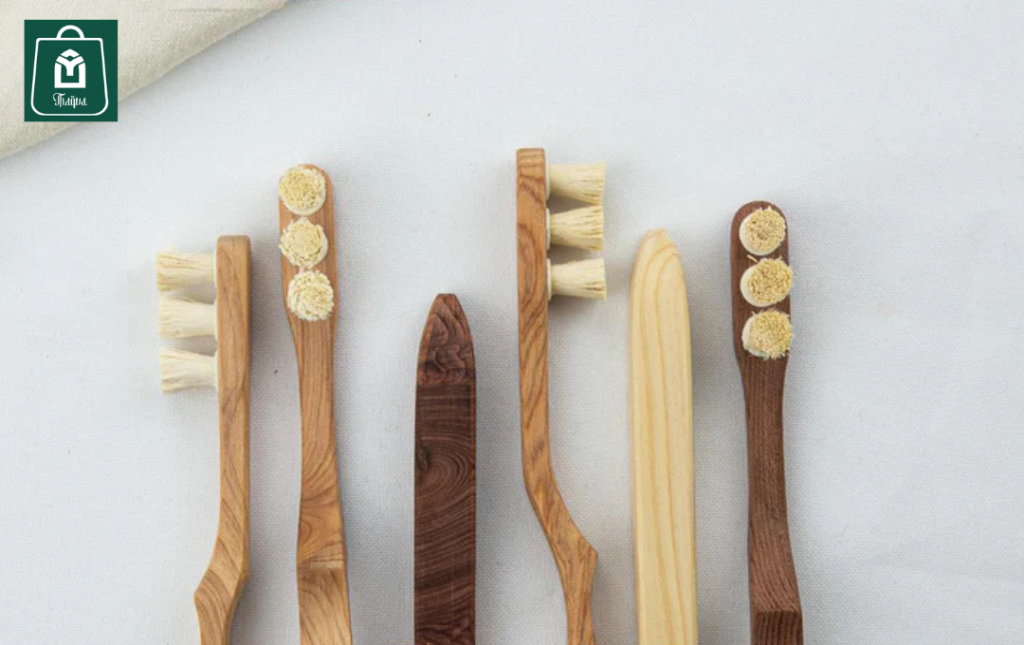
Miswak, also known as Siwak, is a teeth-cleaning stick made from the twigs or roots of the Salvadora persica tree. The end of the stick is chewed until it forms soft bristles, which are then used to clean the teeth and gums.
Unlike modern toothbrushes that require toothpaste, Miswak naturally contains compounds that help clean the mouth and promote oral health.
For centuries, people in the Middle East, Africa, and parts of Asia have relied on Miswak as an effective method of maintaining dental hygiene.
The Importance of Miswak in Islam
Miswak is not just a tool for oral hygiene; it is also a highly recommended Sunnah practice.
The Prophet Muhammad (peace be upon him) frequently used Miswak and encouraged its use among his followers. Numerous authentic narrations highlight the importance of keeping the mouth clean and fresh.
One well-known narration states that the Prophet (peace be upon him) emphasized the use of Miswak before prayer and other acts of worship, demonstrating its significance in daily life.
For Muslims, using Miswak is therefore both a practical habit and a way of following the Sunnah.
Why Did Muslims Use Miswak Instead of Toothbrushes?
1. It Was Readily Available
Before the invention of modern toothbrushes, Miswak was easily accessible in regions where Muslims lived. The Salvadora persica tree grew naturally in many parts of the Arabian Peninsula and surrounding areas.
People could simply cut a small branch and use it immediately without needing any manufactured products.
2. It Offered Effective Oral Cleaning
Although simple in appearance, Miswak proved highly effective at removing food particles and cleaning the surface of teeth.
The natural fibers act similarly to toothbrush bristles, helping to reduce plaque buildup and maintain oral cleanliness.
3. It Contained Natural Beneficial Compounds
One reason Miswak remained popular for centuries is its natural composition.
Research has found that Miswak contains compounds that may help:
- Reduce bacterial growth in the mouth
- Promote healthier gums
- Freshen breath naturally
- Support overall oral hygiene
This made it an all-in-one solution long before toothpaste was developed.
4. It Was Environmentally Friendly
Modern toothbrushes are often made of plastic and contribute to environmental waste.
Miswak, on the other hand, is biodegradable, natural, and sustainable. After use, it can simply return to the earth without creating pollution.
In today’s environmentally conscious world, this aspect makes Miswak more relevant than ever.
Benefits of Miswak for Oral Health
Natural Teeth Cleaning
The soft fibers help remove debris and plaque from the teeth while being gentle on the gums.
Fresh Breath
Miswak naturally helps eliminate unpleasant odors and leaves the mouth feeling refreshed.
Healthy Gums
Regular use may help support gum health and reduce irritation when used correctly.
No Need for Toothpaste
Unlike conventional toothbrushes, Miswak contains natural cleansing properties that allow it to be used on its own.
Convenient for Travel
Miswak is lightweight, portable, and does not require water or additional products, making it ideal for travelers.
Is Miswak Better Than a Toothbrush?
This is a common question among people interested in natural oral care.
The answer depends on how it is used. Modern toothbrushes and fluoride toothpaste remain widely recommended by dental professionals for comprehensive oral hygiene.
However, Miswak can be an excellent complement to regular brushing or an effective natural alternative in certain situations.
Many Muslims use both—a toothbrush for routine dental care and Miswak throughout the day as part of following the Sunnah.
How to Use Miswak Correctly
To use Miswak:
- Cut approximately one centimeter from one end.
- Remove the outer bark from the tip.
- Gently chew the exposed end until soft bristles form.
- Brush the teeth using gentle vertical and circular motions.
- Trim and refresh the bristles regularly.
Proper maintenance helps ensure cleanliness and effectiveness.
Why Miswak Is Becoming Popular Again
The global shift toward natural wellness products has led many people to rediscover Miswak.
Consumers are increasingly choosing traditional Islamic lifestyle products.
- Natural oral care
- Sustainable products
- Chemical-free alternatives
- Traditional wellness practices
Miswak aligns perfectly with these preferences while also carrying deep historical and spiritual significance for Muslims.
Final Thoughts
The use of Miswak demonstrates how a simple, natural tool can remain relevant across centuries. Muslims historically used Miswak instead of toothbrushes because it was accessible, effective, and strongly encouraged in Islam. Today, its natural benefits, environmental friendliness, and connection to the Sunnah continue to make it a valuable part of daily oral care.
Whether you are looking to improve your oral hygiene, embrace natural oral care, or follow a beloved Sunnah, Miswak offers a timeless solution that has stood the test of time.